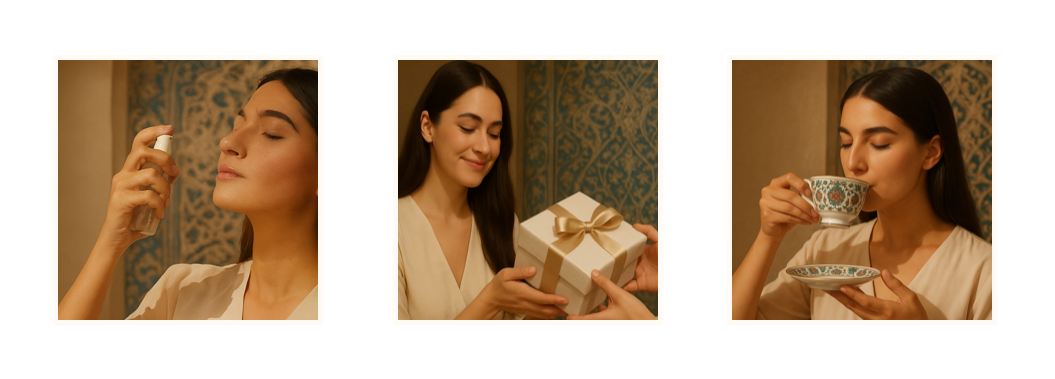

Skin Hydration and Climate

Skin hydration is strongly influenced by humidity levels in the environment. When the air is humid, the skin is better able to retain moisture because water in the air slows down evaporation from the skin’s surface. In contrast, low-humidity environments such as heated indoor spaces or dry climates can cause moisture to escape more quickly, leading to dryness, tightness, and dull-looking skin.
Temperature also plays an important role in skin hydration. Hot weather can increase sweating, which may temporarily hydrate the skin but can also strip away natural oils that help protect the skin barrier. Cold temperatures, on the other hand, reduce oil production and circulation in the skin, making it easier for moisture to evaporate and causing skin to feel dry or irritated.
Because of these environmental factors, skincare routines often need to change depending on climate conditions. Adjusting moisturisers, hydration products, and daily skincare habits can help maintain healthy, balanced skin throughout the year.
Sharmina is exploring how skincare routines adapt across climates and environments.